
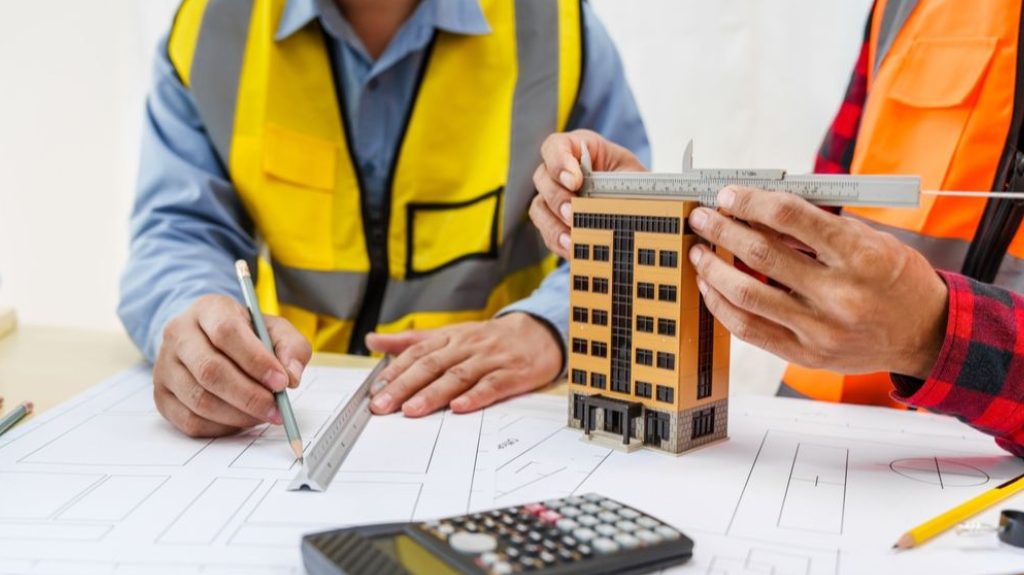
Building stuff is all around us. Homes, bridges, and shopping malls construction shapes everything we see. Let’s dive into the different types of construction that bring our cities and towns to life.
Key Takeaways
- Construction comes in many forms: Each type does something different, from building homes to creating roads and factories.
- Different projects need different know-how: Constructing a house looks nothing like building a bridge or a huge mall.
- Each type needs its own materials: Picking the right materials keeps buildings strong, safe, and standing for years.
What Is Construction?
Construction means putting up buildings and structures. Workers start by planning what they’ll build. After that, they gather stuff like wood, steel, and concrete. Then they piece it all together to make something brand new.
Plus, construction happens everywhere, every single day. You’ve probably seen crews working on new stores or patching up old roads. Construction helps neighborhoods grow and transform.
At Bids Estimation Inc, we know that picking the right construction type matters a ton. That’s why we guide our clients to choose what works best for their projects.
Residential Construction
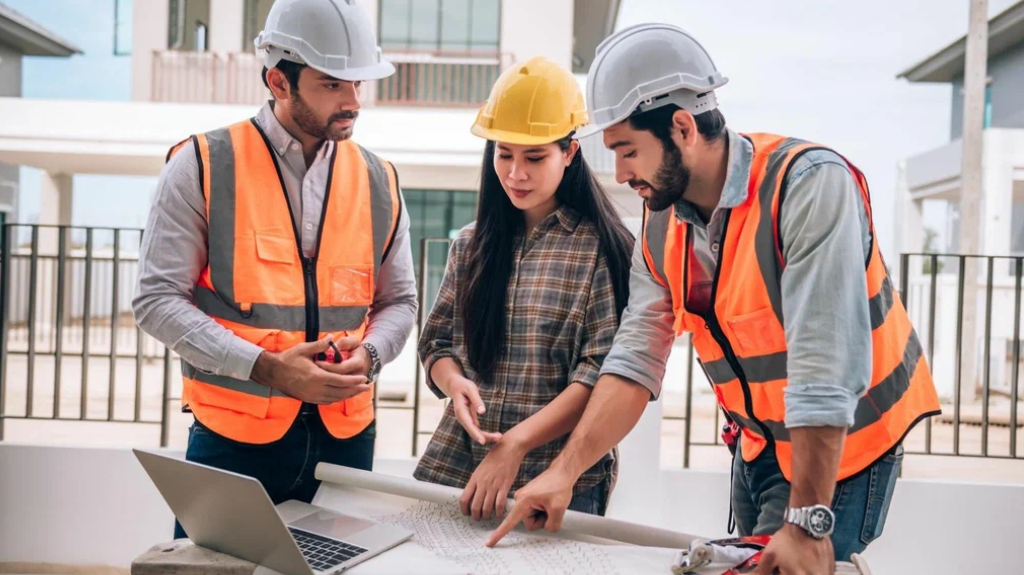
Building Homes for Families
Residential construction is all about places where people live. This covers houses, apartments, and townhomes. It also includes mobile homes and places for seniors to retire.
Builders kick things off by getting the land ready. Once that’s done, they pour the foundation. Next up, they put up walls and slap on a roof. The final step involves adding floors, paint, and all the finishing touches inside.
Residential jobs can range from tiny to massive. A single home for one family is pretty small. But a giant apartment complex? That takes way more time and a bigger crew.
Types of Residential Buildings
Single-family homes sit by themselves on their own piece of land. Multi-family buildings pack lots of living spaces into one big structure. Think condos and apartment buildings.
Some folks go for manufactured homes too. Factories build these homes from start to finish. Workers then haul them to where they’ll stay forever.
Commercial Construction
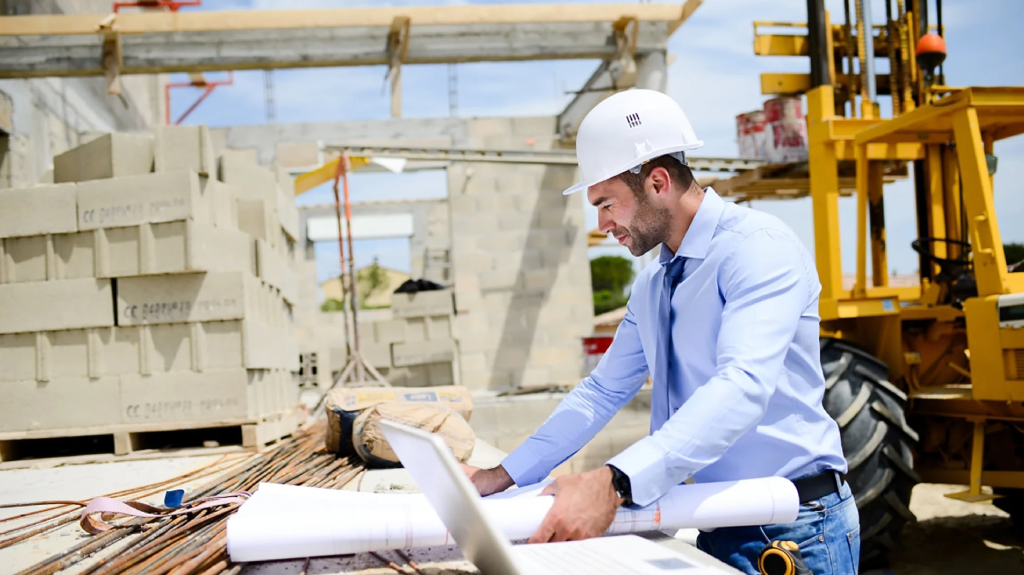
Buildings for Business
Commercial construction makes spaces where businesses operate. We’re talking stores, restaurants, and office towers. Gas stations, hotels, and shopping centers fall into this group as well.
These buildings need features that homes don’t. Stores need wide open floors so customers can browse. Offices need tons of smaller rooms where employees work.
Commercial buildings also have to meet tough safety rules. They need enough exits so people can get out fast. Good airflow and bright lighting are requirements too.
Different Commercial Projects
Retail stores are super common in this category. These spots help businesses sell their goods to shoppers. Office towers give tons of companies a place to set up shop.
Restaurants need kitchens built for heavy-duty cooking plus dining rooms for guests. Hotels pack in dozens or hundreds of rooms along with lobbies and other shared areas.
Industrial Construction
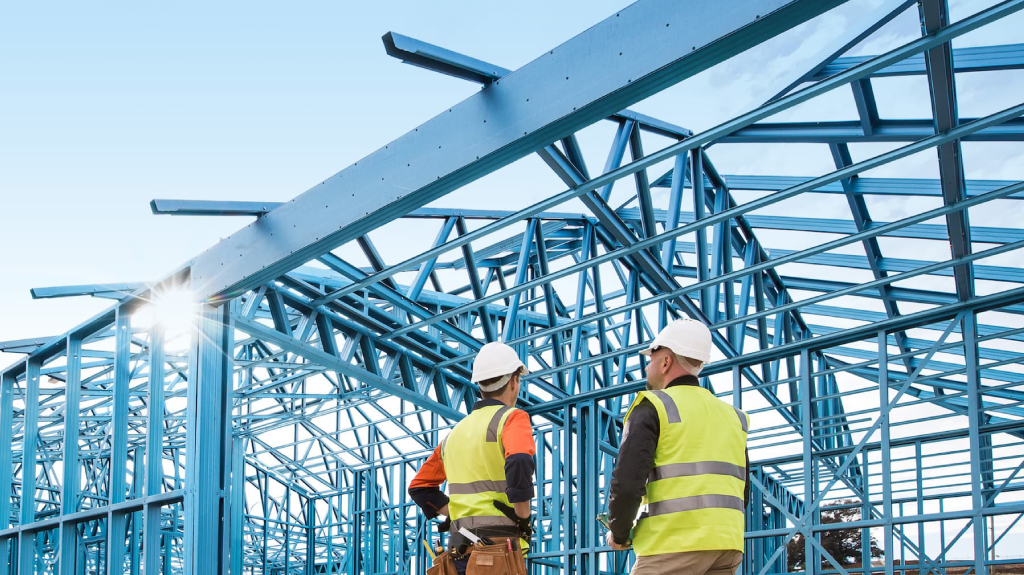
Making Things and Storing Goods
Industrial construction builds places where products get made. Factories, warehouses, and power plants are perfect examples. This type also covers oil refineries and steel mills.
These projects usually run huge. They need tough materials that can handle massive equipment. Building them to last decades is the goal.
Industrial buildings have needs you won’t find anywhere else. Big machines need lots of room to operate. Special electrical setups and heavy-duty plumbing are must-haves too.
Key Industrial Structures
Manufacturing plants pump out products like cars or packaged food. Warehouses hold goods before trucks carry them to stores. Power plants generate the electricity that lights up homes and businesses.
Chemical plants handle materials that need careful processing. Distribution centers act as pit stops where products get sorted before heading to their final stops.
Infrastructure Construction
Building the Foundation of Society
Infrastructure construction creates the stuff everyone uses. Roads, bridges, and tunnels top the list. Water pipes and sewer systems count too.
These projects make life work for whole communities. Roads get people to their jobs and kids to school. Water systems deliver clean water straight to your faucet.
Infrastructure has to be built incredibly strong. Bridges hold up heavy trucks day in and day out. Careful planning and top-quality materials make that possible.
Types of Infrastructure Projects
Transportation work includes highways and train tracks. These let people and cargo move from place to place. Airports and shipping docks link different parts of the world.
Water treatment plants scrub water clean enough to drink. Dams keep water under control and crank out electricity. Sewer systems whisk waste away from buildings safely.
Institutional Construction
Serving the Community
Institutional construction puts up buildings for public services. Schools, hospitals, and government offices belong here. Libraries, museums, and fire stations make the list too.
These buildings do really important jobs. Schools teach kids everything they need to know. Hospitals take care of people when they’re sick or hurt.
These structures have to be safe and easy for everyone to use. Wide doorways let wheelchairs roll through without trouble. Clear signs and good lighting help people find their way around.
Important Institutional Buildings
Schools range from tiny elementary buildings to sprawling college campuses. All of them need classrooms, science labs, and hangout spaces. Hospitals pack in operating rooms, patient rooms, and emergency areas.
Government buildings hold offices and meeting rooms. Courthouses give legal cases a place to play out. Police stations and firehouses keep towns and cities protected.
Heavy Construction
Large-Scale Projects
Heavy construction tackles truly gigantic jobs. Dams, highways, and railways fit this description. Massive bridges and tunnels that cut through mountains belong here too.
These projects eat up years before they’re finished. Hundreds of workers and mountains of equipment get thrown at them. Keeping all the different teams working together takes serious coordination.
Heavy construction can actually reshape the land itself. It can flatten mountains or span rivers. That’s why planners have to think hard about what happens to the environment.
Major Heavy Projects
Highway networks connect towns, cities, and entire states. They need rock-solid foundations and surfaces that stay smooth. Railways haul people and products across thousands of miles.
Dams control rivers for drinking water, farming, and making electricity. Huge bridges stretch over wide rivers and deep canyons. Tunnels bore straight through mountains or run under rivers.
Environmental Construction
Protecting Nature
Environmental construction puts the planet first. Green buildings suck down less energy and water. They also create way less trash and pollution.
This approach uses materials and tricks you won’t see in regular construction. Solar panels soak up sunlight and turn it into electricity. Rainwater collection systems grab water for watering gardens and lawns.
These buildings help fight climate change too. They pump out fewer harmful gases. They also save natural resources so future generations have them.
Eco-Friendly Features
Green roofs have actual plants growing on top of buildings. They keep things cool inside and soak up rainwater naturally. Recycled materials keep perfectly good stuff out of landfills.
Windows designed to save energy trap heat inside when it’s cold out. When summer hits, they keep buildings nice and cool. Wind turbines can generate power for big structures.
Renovation and Remodeling
Making Old Buildings New Again
Renovation breathes new life into buildings that already exist. This might mean fixing broken parts or tacking on fresh features. It can also mean updating buildings so they feel modern.
Remodeling changes how rooms look and function. A kitchen might score new cabinets and shiny appliances. Bathrooms can get upgrades that make them way more comfortable.
Fixing up old buildings costs less than starting from scratch. It also saves historic structures that communities care about. Towns get to hang onto their character and stories.
Common Renovation Projects
Historic restoration rescues old buildings and brings them back. Workers patch up damage but keep the original cool details. Home additions create extra space for families that need more room.
Modernization swaps out old plumbing and wiring for current systems. Making buildings accessible helps people with disabilities get around easier. Energy improvements slash monthly utility bills.
Choosing the Right Construction Type
Matching Needs to Projects
Different jobs call for different construction types. Start by thinking about what the building will do. Location and how much space you’ve got matter too.
Your budget plays a huge role. Some types burn through more cash than others. How fast you need it done counts too. Some projects wrap up quick while others drag on for years.
Local rules shape your choices as well. Building codes keep everyone safe. Zoning laws decide what can go where.
Bids Estimation Inc walks clients through picking the construction type that fits their situation. Our team delivers detailed cost breakdowns for every type of project. You’ll have all the info you need to choose wisely right from the jump.
Important Planning Steps
Figure out your goals before anything else. Then bring in pros who know their stuff. Architects draw up the designs while engineers make sure everything stays standing.
Contractors run the actual building work. Inspectors swing by to verify that everything meets the rules. This whole team working together makes projects successful.
Materials Used in Construction
Building Blocks of Structures
Construction gobbles up all kinds of materials. Wood shows up constantly in houses and smaller buildings. It’s strong, won’t break the bank, and workers can shape it easily.
Concrete is another go-to choice. It’s crazy strong and sticks around forever. Steel adds even more muscle for skyscrapers and big structures.
Brick and stone bring both toughness and good looks. Glass floods interiors with natural sunlight. Newer composite materials open up possibilities that didn’t exist before.
Choosing the Right Materials
Where you’re building changes what materials work best. Hot climates need stuff that bounces heat away. Cold places require materials that trap warmth inside.
What the building does matters big time. Industrial facilities need materials that can take a beating. Homes can use softer, cozier materials.
Price and what’s available locally come into play too. Materials from nearby usually cost less to buy and ship. They often perform better in local weather too.
Safety in Construction
Keeping Workers Protected
Safety can’t be ignored on construction sites. Workers strap on hard hats to shield their heads. They also wear gloves and safety glasses.
Job sites have loads of rules everyone follows. Workers stick to the right procedures no matter what. Sites need warning signs and barriers that nobody can miss.
Regular training stops accidents before they happen. Workers learn the safe way to run equipment. They also practice what to do when emergencies pop up.
Common Safety Measures
Scaffolding has to be locked down tight and stable. Fall protection gear saves lives when people work up high. Fresh air circulation keeps everyone breathing clean.
Equipment gets checked over and over. Fire safety systems stay ready to go at all times. First aid kits sit where everyone can grab them fast.
Technology in Modern Construction
New Tools and Methods
Tech is flipping construction on its head. Computers let designers build structures in 3D before anyone lifts a hammer. Builders can spot problems way before construction even starts.
Drones zoom around taking pictures from way up high. This helps managers see how things are going. Robots handle jobs that are dangerous or mind-numbingly repetitive.
Smart buildings use tech even after construction wraps up. Sensors adjust temperature and lights all by themselves. Buildings run smoother and feel more comfortable.
Innovative Construction Methods
3D printers can spit out building parts or even whole structures. Prefabrication means building chunks in a factory. Workers then snap them together on site way faster.
Building Information Modeling makes digital twins of real buildings. Everyone on the job can peek at the same info and share updates. Projects roll along with way fewer hiccups.
The Future of Construction
What’s Coming Next
Construction keeps changing and getting better. Tomorrow’s buildings will be smarter and greener. They’ll squeeze more out of every resource.
New materials will pack more strength into less weight. Some might fix themselves or adapt when conditions change. Buildings could make all their own power.
Construction will get faster and safer as time goes on. Machines will handle more and more tasks. Skilled workers will still be critical though.
Trends to Watch
Green building will become the standard everywhere. More projects will run on renewable energy. Cutting waste will shoot to the top of priority lists.
Modular construction will explode in popularity. Buildings could be taken apart and moved somewhere else. Designs will bend and adapt easier than ever.
Conclusion
Construction takes countless forms and serves endless purposes. From cozy homes to massive highways, each type plays a vital part. Knowing these types helps us appreciate all the built stuff surrounding us. Residential, commercial, industrial, and construction make our lives better in every way. It creates spots to live, work, and have fun. It links communities and pushes progress forward. Tech will keep pushing construction into new territory. But the basic mission stays exactly the same. Construction builds the structures that hold up modern life.
When you’re ready to kick off your next construction project, Bids Estimation Inc has your back. We deliver spot-on estimates for every single construction type. Reach out today, and let’s get your project rolling.
Frequently Asked Questions (FAQs)
What are the 5 types of construction?
The five big types of construction are residential, commercial, industrial, infrastructure, and institutional. Residential construction puts up homes and apartment buildings. Commercial construction makes businesses and stores. Industrial construction creates factories and warehouses. Infrastructure construction builds roads and bridges. Institutional construction makes schools and hospitals. Every type has its own special requirements and methods.
What type of construction is most common?
Residential construction wins the popularity contest. This includes single-family homes, apartments, and condos. More residential projects kick off than any other kind. Residential construction also gives jobs to tons of workers nationwide. Commercial construction runs a close second, especially in busy cities and growing towns.
What are the 3 types of construction methods?
The three main ways to build are traditional construction, prefabrication, and modular construction. Traditional building happens completely on the actual site. Prefabrication builds pieces in a factory, then brings them to the site for assembly. Modular construction creates entire sections at a factory. Each method shines depending on what kind of project you’re doing.
What is Type 1 and Type 2 construction?
Type 1 construction uses materials that resist fire, like concrete and steel. These buildings fight off fires better than any other type. Type 2 construction also uses stuff that won’t burn but gives less fire protection overall. Type 1 gets used for tall towers and hospitals. Type 2 shows up in warehouses and certain commercial buildings.
What are the four categories of construction?
The four main groups are building construction, heavy civil construction, industrial construction, and environmental construction. Building construction covers homes and office buildings. Heavy civil construction makes infrastructure like highways and bridges. Industrial construction puts up facilities where things get manufactured. Environmental construction zeros in on sustainable projects and green buildings.